

Some vacations are about rest, and some are about wonder. A gorilla vacation safaris is firmly in the second category. You trade city noise for misty rainforest, follow expert trackers up forested slopes, and then find yourself sitting quietly as a wild family of mountain gorillas goes about its day. The hour you spend with them is short, but the memory lasts for years.
Gorilla vacations and safaris have grown in popularity because they combine adventure, wildlife, and purpose. This guide covers the destinations, the experience, the best times to go, how to build a complete vacation around your trek, and how to book with confidence.
What Is a Gorilla Vacation?
A gorilla vacation is a trip built around a permit-based trek to see habituated mountain gorillas in the wild. The trek itself lasts a day, but most travelers build a longer holiday around it. That might mean a few nights in a forest lodge, a game drive through a savannah park, a visit to a local village, or a relaxing stay beside a lake.
A gorilla safari is the more wildlife-focused version, often pairing the gorillas with chimpanzee tracking, big game viewing, boat cruises, and birdwatching. Both styles share the same core: a carefully managed encounter that supports conservation.
Where to Take a Gorilla Vacation
Wild mountain gorillas live in just three countries, all in the Albertine Rift region of Central and East Africa.
Uganda: Variety and Value
Uganda is home to around half of the world’s mountain gorillas, mostly in Bwindi Impenetrable National Park, a UNESCO World Heritage Site. Mgahinga Gorilla National Park offers a smaller, quieter alternative. Uganda stands out for its range of accommodation, from simple lodges to luxury camps, and for the chance to combine gorillas with chimpanzees in Kibale, tree-climbing lions in Queen Elizabeth National Park, and the Nile at Murchison Falls.
Rwanda: Convenience and Polish
Volcanoes National Park lies about two to three hours from Kigali, so a gorilla vacation here can be as short as three days. Rwanda is known for safety, organization, and a high-value conservation model. Permits cost more, but travelers often find the experience smooth and well supported. Add Akagera for savannah game drives or Nyungwe for chimpanzees and a canopy walk.
Democratic Republic of Congo: Raw Adventure
Virunga National Park offers a dramatic volcanic setting and a wilder atmosphere. Security conditions in the region can change, so check current government advisories and use only experienced operators with strong safety protocols.
What to Expect on a Gorilla Trek
A trekking day usually unfolds like this:
- Morning briefing. Rangers explain the rules and assign you to a gorilla family based on fitness and preferences.
- The hike. In a group of up to eight visitors, you follow guides and trackers through farmland and forest. The walk may take under an hour or most of the morning.
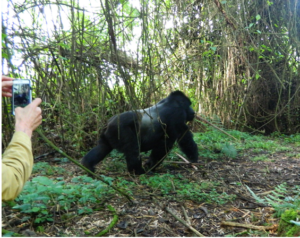
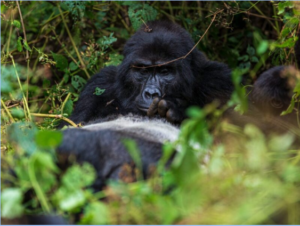
- One hour with the gorillas. You observe from a respectful distance as the silverback, females, and youngsters feed, rest, and play.
- The return. You hike back, often with a certificate and plenty of photos.
No two treks are the same. Gorillas roam freely, so your experience depends on where they spent the night. That unpredictability is part of the appeal.
Understanding Permits and Costs
The gorilla permit is the largest single cost of the vacation and is issued by the national wildlife authority in each country. Permit revenue funds anti-poaching patrols, veterinary care, and community projects.
Rwanda’s permits have been the most expensive, Uganda’s more moderate, and the DRC’s often the lowest, though prices, seasonal discounts, and conditions change from time to time. Always confirm current rates with the relevant authority or a licensed operator before you set a budget.
Beyond the permit, plan for flights, lodging, transport, meals, porters, tips, visas, and insurance. A detailed, itemized quote from your operator helps you compare options fairly.
Choosing Your Vacation Style
Short and focused. A three- to four-day Rwanda trip centered on one gorilla trek is ideal if time is limited.
Gorillas plus chimpanzees. Five to seven days in Uganda or Rwanda combines two of Africa’s great primate experiences.
Gorillas and big game. Seven to ten days pairs a trek with savannah safaris in Queen Elizabeth, Murchison Falls, or Akagera.
Luxury and honeymoon. High-end lodges, private guides, and scenic flights add comfort and privacy to the adventure.
Family and multi-generational. The minimum trekking age is 15, so families with teenagers can join the trek while younger children enjoy other activities nearby.
Photography. Longer stays, extra trekking days, and expert guides raise your chances of strong images in low forest light.
The Best Time for a Gorilla Vacation
Gorillas can be visited all year, but the weather changes the experience.
- Dry seasons (June to September and December to February): Firmer trails, clearer views, and the busiest bookings. Reserve permits and lodges well ahead.
- Wet seasons (March to May and October to November): More rain and mud, but fewer visitors, richer greenery, and easier availability.
Because it is October now, travelers aiming for the June to September window should begin planning several months in advance.
How Fit Do You Need to Be?
Trekking takes place at altitudes commonly between 2,200 and 3,700 meters, on steep and often muddy ground. You do not need to be an athlete, but you should be able to walk for several hours. Training in the weeks before your trip, with regular walks, hills, or stairs, makes the experience more enjoyable.
Porters are available at most parks and are worth hiring. They carry your bag, assist on tough sections, and earn income that supports local families. If you have mobility concerns, tell your operator early so guides can request a more suitable gorilla family.
What to Pack
- Waterproof hiking boots with ankle support
- Long-sleeved shirts and long trousers in muted colors
- A lightweight rain jacket or poncho
- Gloves for gripping branches and avoiding stinging plants
- A hat, sunscreen, and insect repellent
- A camera or phone without flash, plus spare batteries
- A refillable water bottle and snacks
- A small daypack and dry bags
Layers work best, since mornings are cool and the climb warms you up quickly.
Rules That Protect the Gorillas
Gorillas are vulnerable to human illness, so rules are strict.
- Minimum age for trekking is 15.
- Stay about seven meters from the gorillas.
- Speak softly and move slowly.
- No flash photography.
- No eating, drinking, or smoking near the animals.
- Travelers with colds or other contagious illness may be refused entry.
- Cover your mouth and turn away if you cough or sneeze.
If a gorilla approaches, stay calm and follow your guide’s instructions.
Booking Tips
- Book early. Permits for peak months sell out, and lodges near the parks are limited.
- Ask about flexibility. Understand the date-change and cancellation policy for permits before paying a deposit.
- Use a licensed operator. Check registration, recent independent reviews, and itemized pricing.
- Be realistic about timing. Leave a buffer day around your trek, since mountain roads are slow and legs can be sore.
- Buy insurance. Cover medical care, evacuation, and trip cancellation.
- Check health requirements. Speak with a travel clinic about vaccinations and malaria prevention.
Be wary of anyone who quotes a permit far below the official rate or guarantees a specific gorilla family.
Why Your Trip Matters for Conservation
Mountain gorillas were once close to disappearing, threatened by poaching, habitat loss, and disease. Protected areas, daily monitoring, veterinary care, and community partnerships have helped numbers recover, and the species is now classed as Endangered rather than Critically Endangered. Tourism is a key reason. When communities receive jobs, schools, clinics, and a share of permit income, they have strong reasons to protect the forest. Your vacation becomes a direct contribution to that success.
Conclusion
Gorilla vacations and safaris combine adventure, emotion, and purpose in a way few journeys can. Whether you choose Uganda for its variety, Rwanda for its convenience, or the DRC for its wilder character, the essentials are the same: plan early, prepare for the terrain, follow the rules, and travel with a reputable operator. The trek may be demanding, but the hour you spend with a wild gorilla family is quiet, humbling, and unforgettable. By traveling responsibly, you also help ensure that these gentle giants remain part of the world for generations to come.
Key Takeaways
- Mountain gorillas live only in Uganda, Rwanda, and the DRC.
- A trek involves a variable hike followed by one hour with the gorillas.
- Permits are the biggest cost, and prices change, so confirm before budgeting.
- Rwanda suits short, convenient trips, while Uganda offers more variety and value.
- Dry seasons are busiest, and wet seasons are quieter and greener.
- The minimum age is 15, and visitors keep about seven meters away.
- Add chimpanzees, savannah safaris, or lake stays to build a fuller vacation.
- Book early with a licensed, transparent operator and buy good insurance.
Frequently Asked Questions
What is the difference between a gorilla vacation and a gorilla safari?
A gorilla vacation is any trip built around a gorilla trek, often including relaxation and culture. A gorilla safari leans more toward wildlife, combining gorillas with game drives, chimpanzees, and boat cruises.
How many days do I need?
Three to four days working in Rwanda for a quick trip. Seven to ten days lets you add other wildlife and a slower pace.
Which country is best for a gorilla vacation?
Rwanda is best for convenience and short trips, Uganda for variety and flexible budgets, and the DRC for adventure with extra security considerations.
How much does a gorilla vacation cost?
Costs depend on the country, season, and comfort level. The permit is the largest item, with lodging, transport, and extras on top. Request an itemized quote.
When should I book?
Four to six months ahead for peak seasons, and sooner for popular dates. Wet-season trips are often easier to arrange at shorter notice.
Is gorilla trekking safe?
Habituated gorillas are calm around people, and armed rangers accompany every group. The main challenges are terrain and weather.
Can children go?
The minimum age is 15. Younger children can enjoy other activities while the family trek takes place.
Can older travelers do it?
Many do. Request an easier family, hire a porter, and move at your own pace.
Are gorilla sightings guaranteed?
Sightings are very likely because trackers follow the groups daily, but these are wild animals and nothing can be promised.
What if I get sick before my trek?
You may be asked not to trek to protect the gorillas. Check refund and rescheduling terms before booking.
